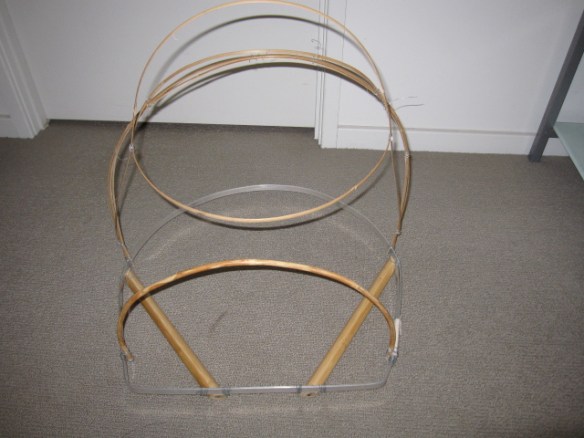
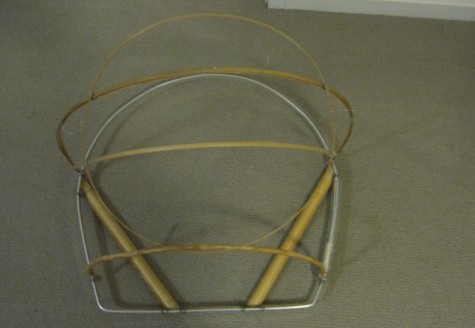
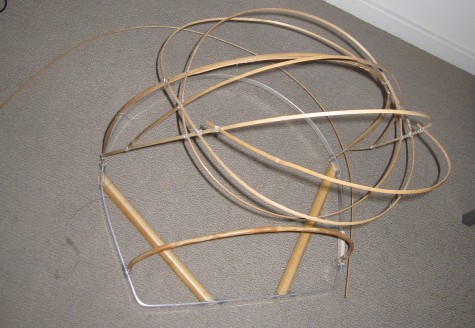
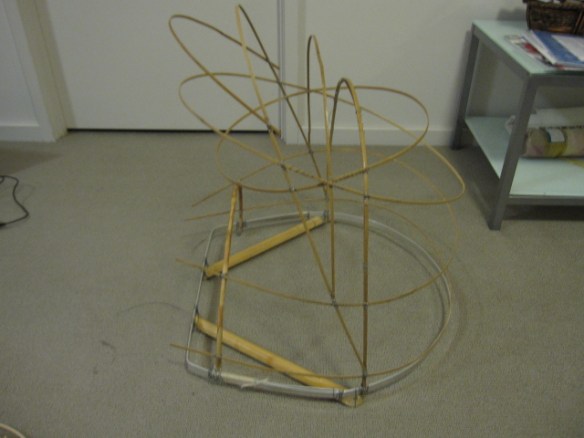
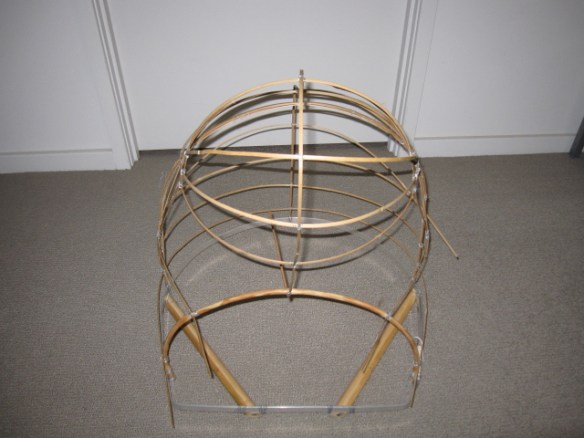
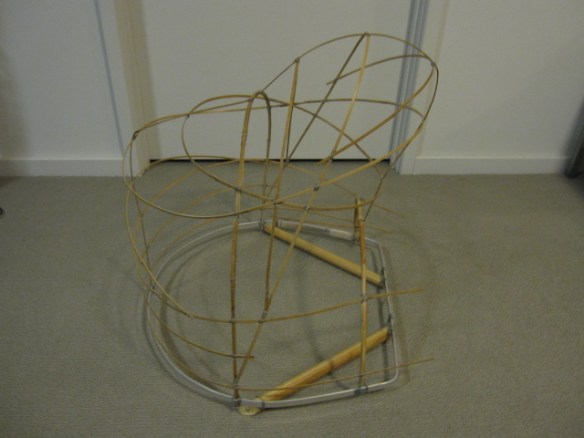
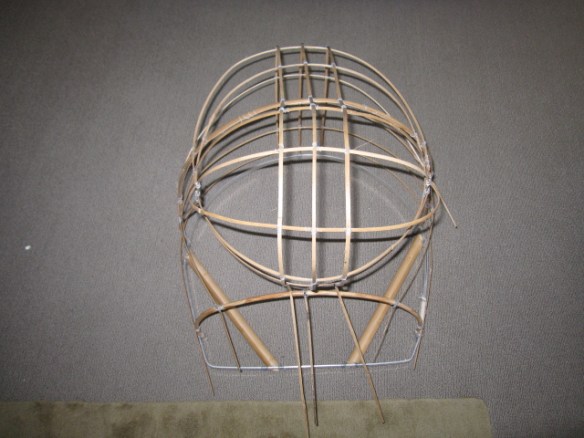
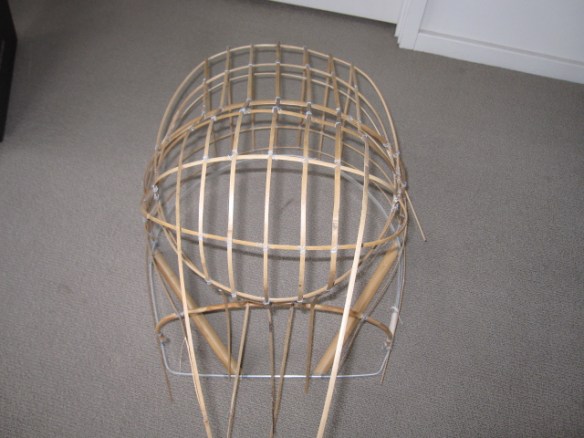
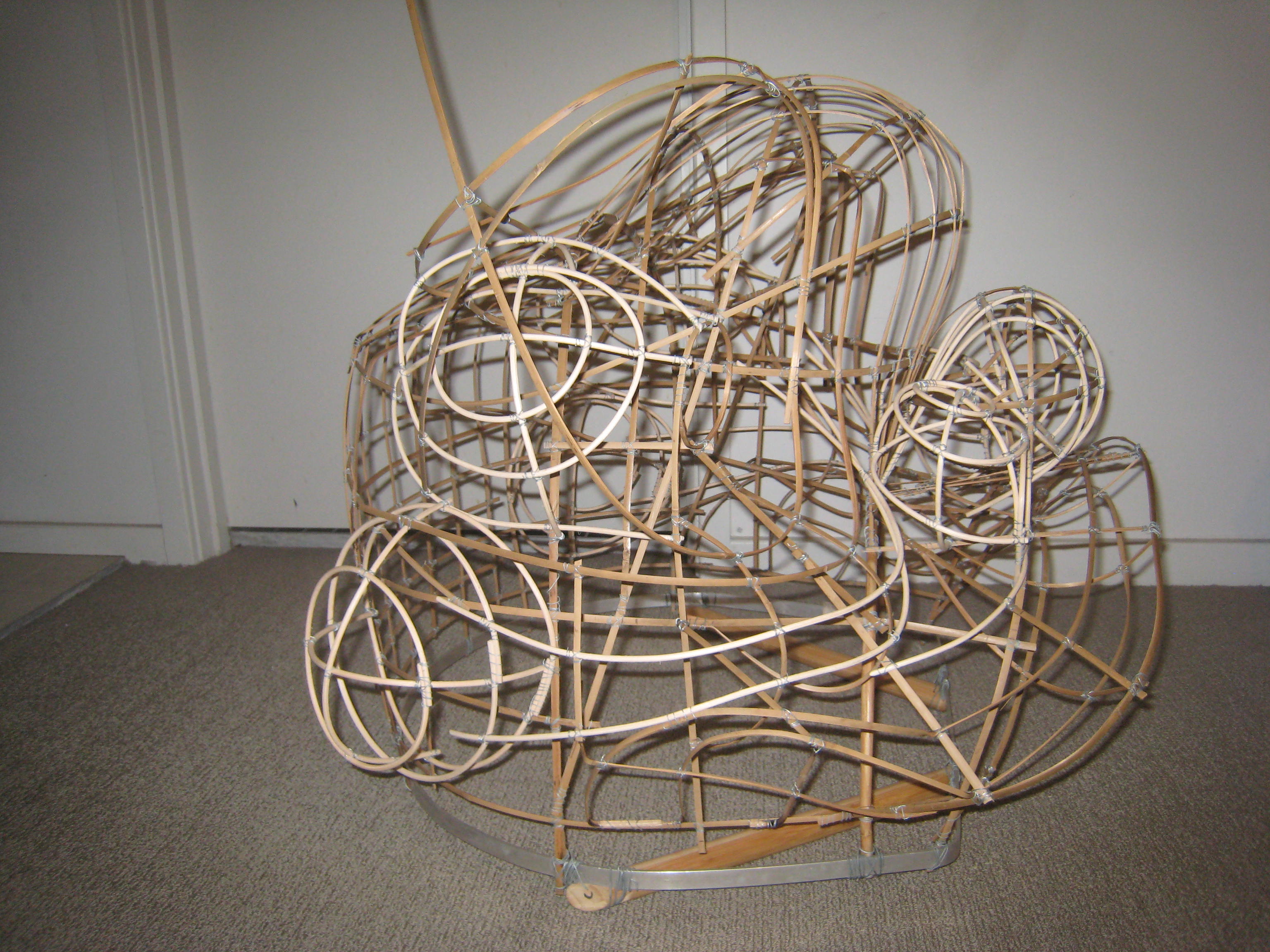
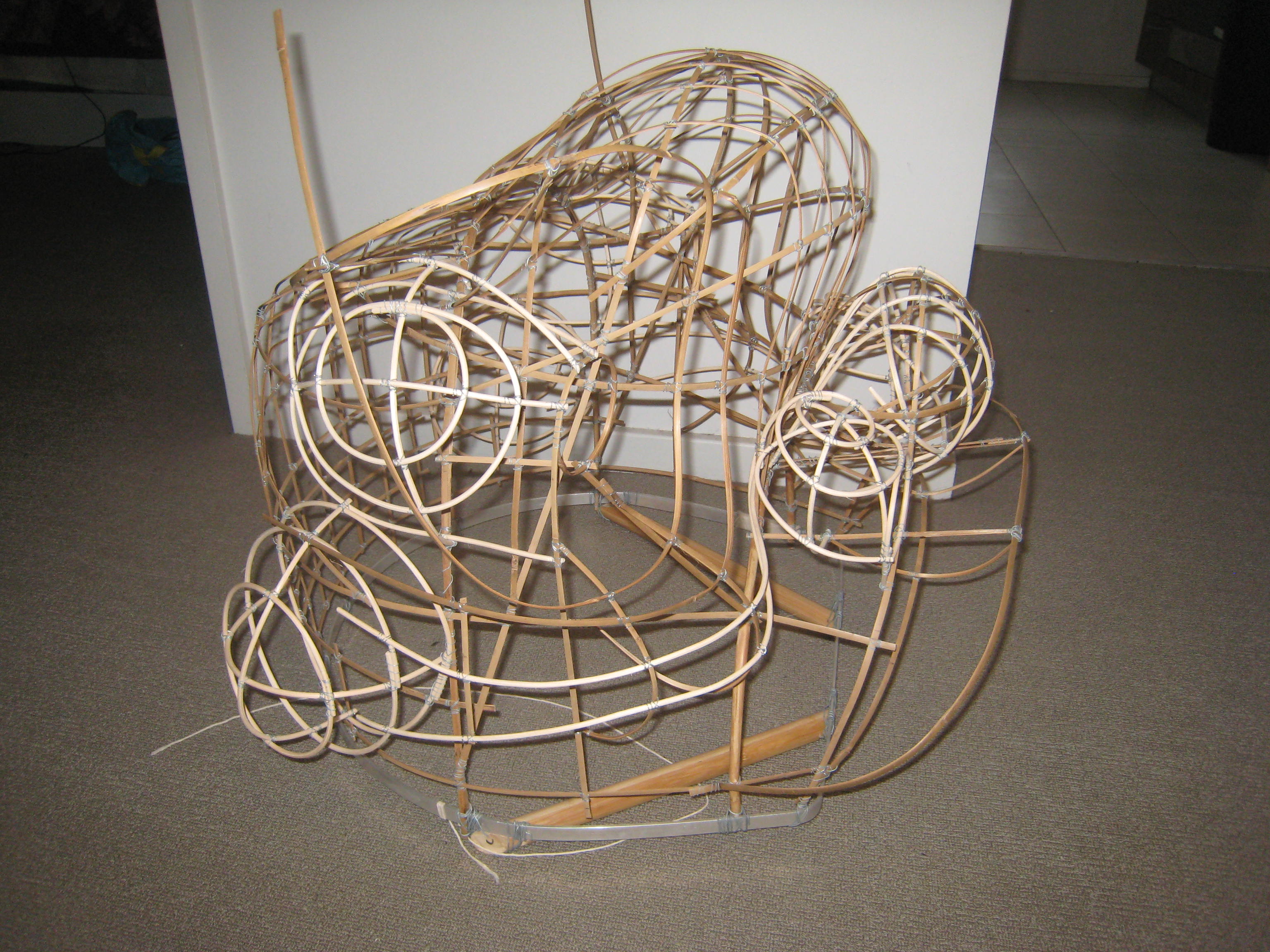
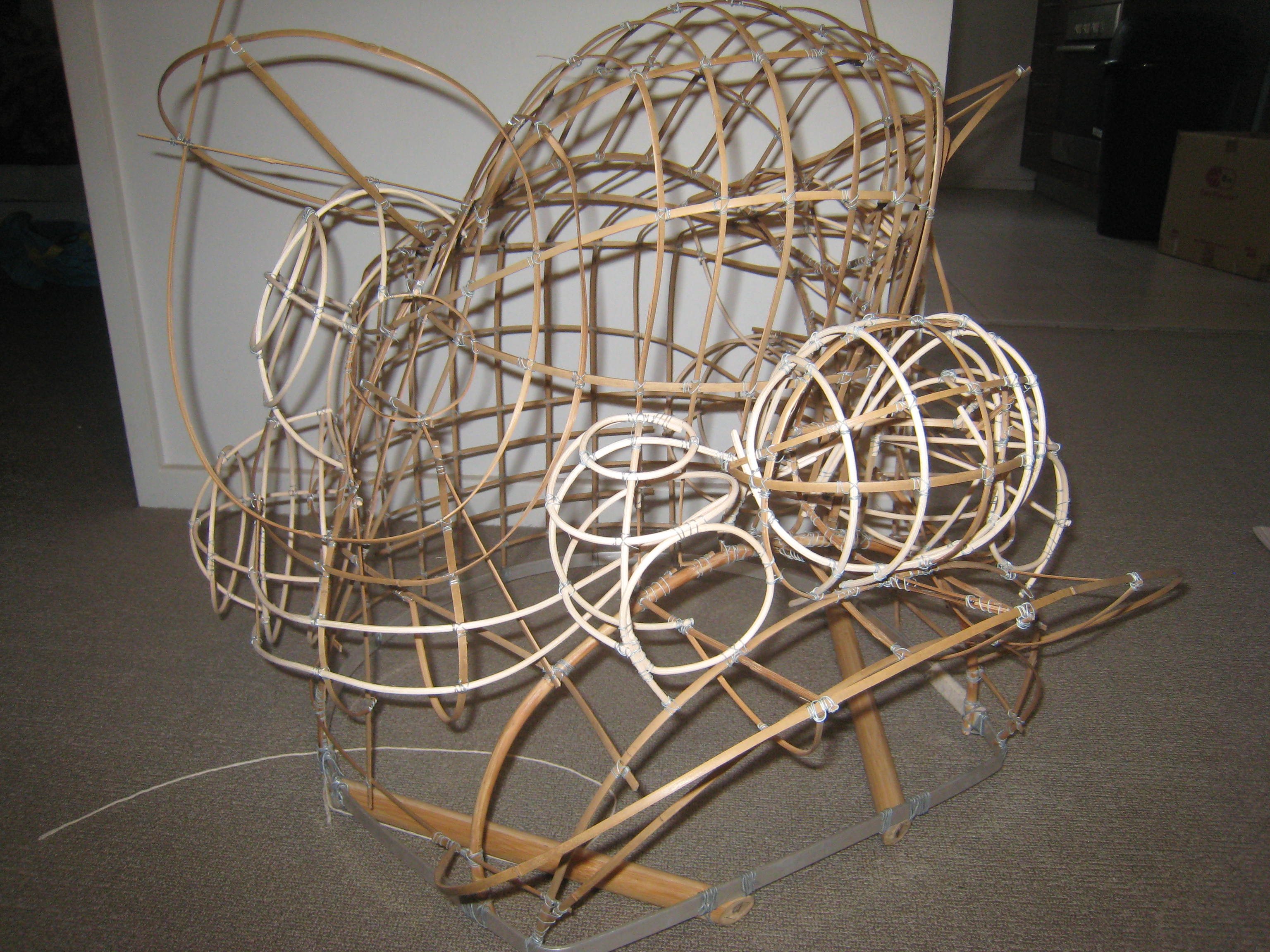
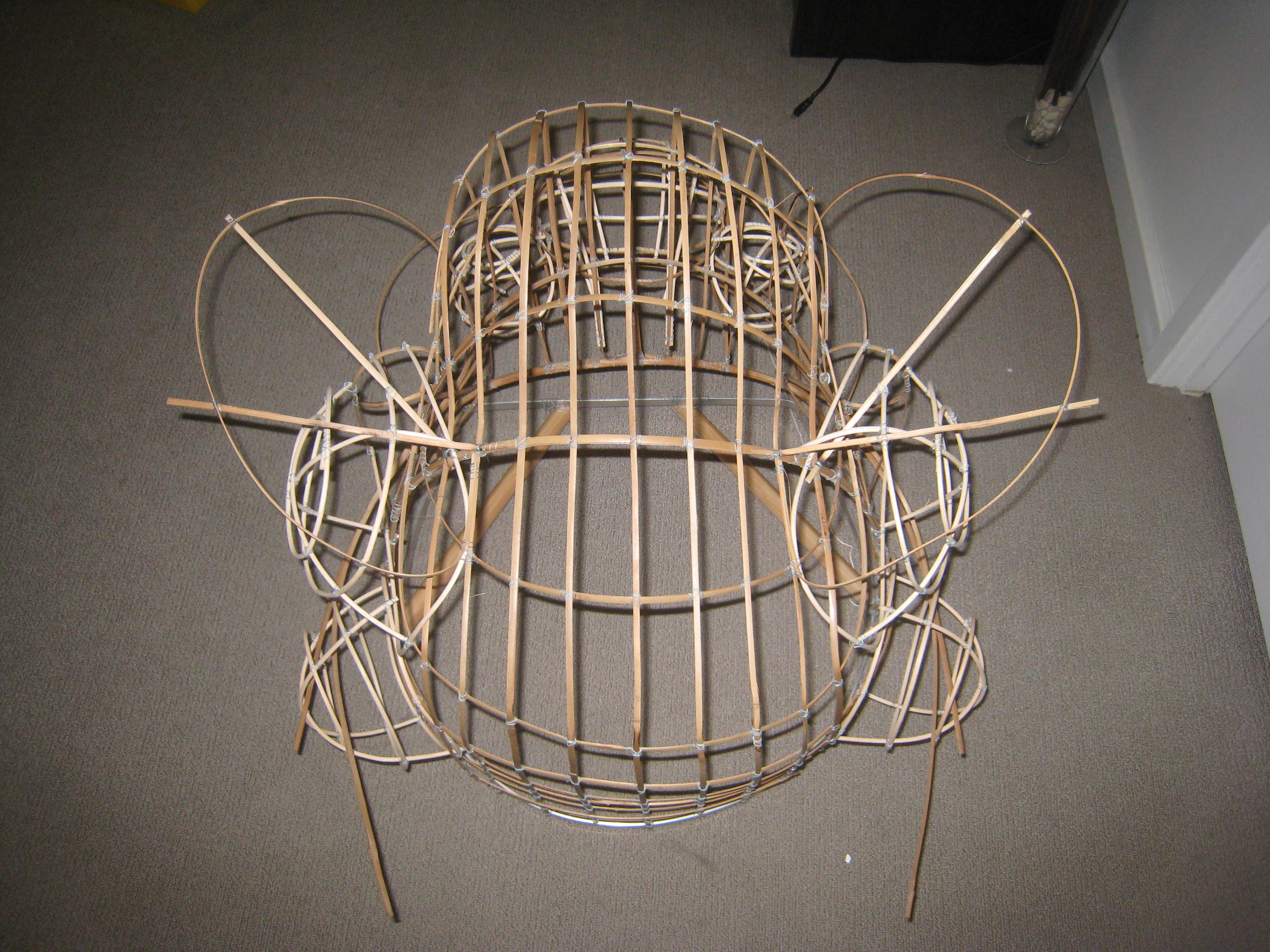
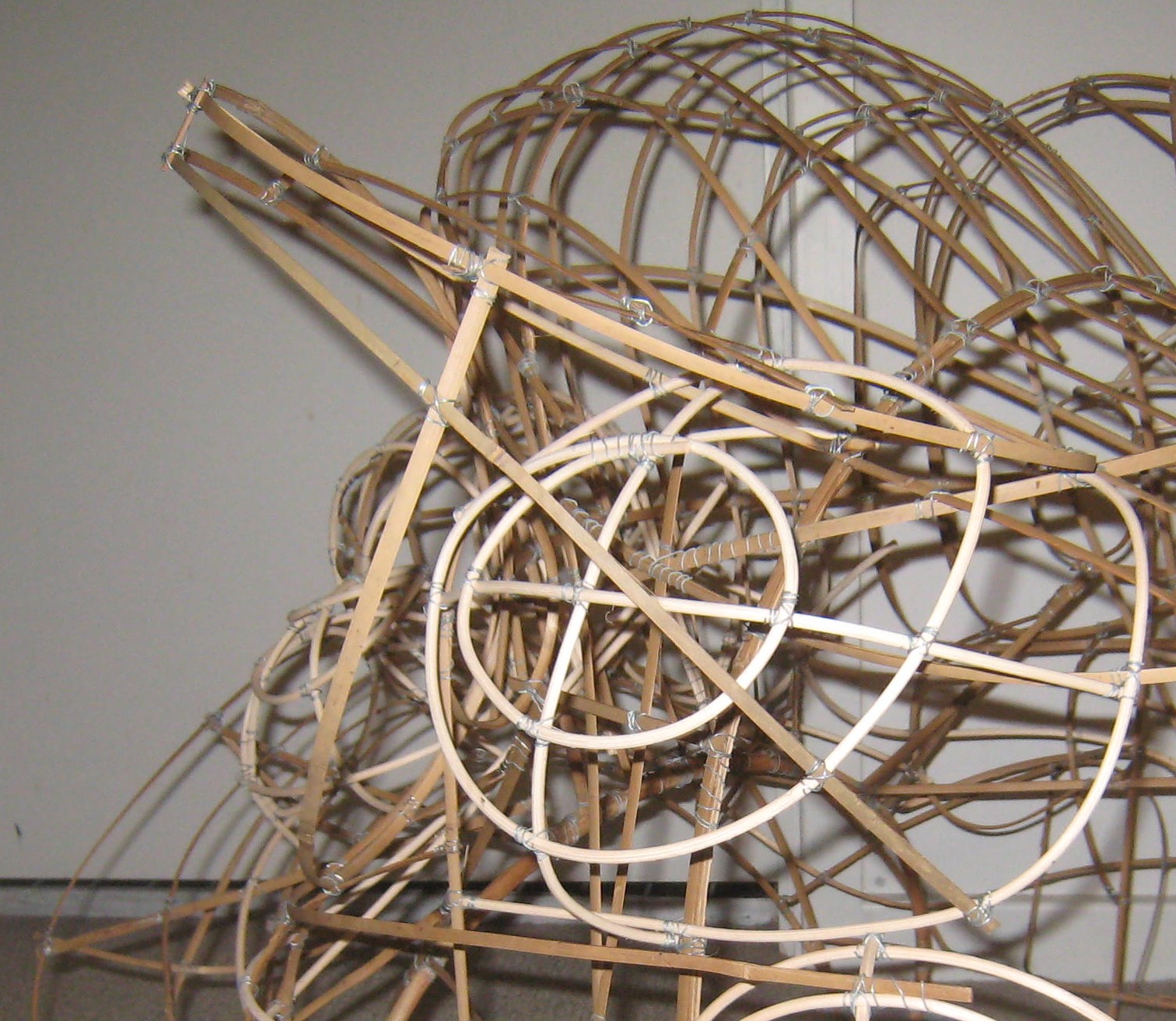
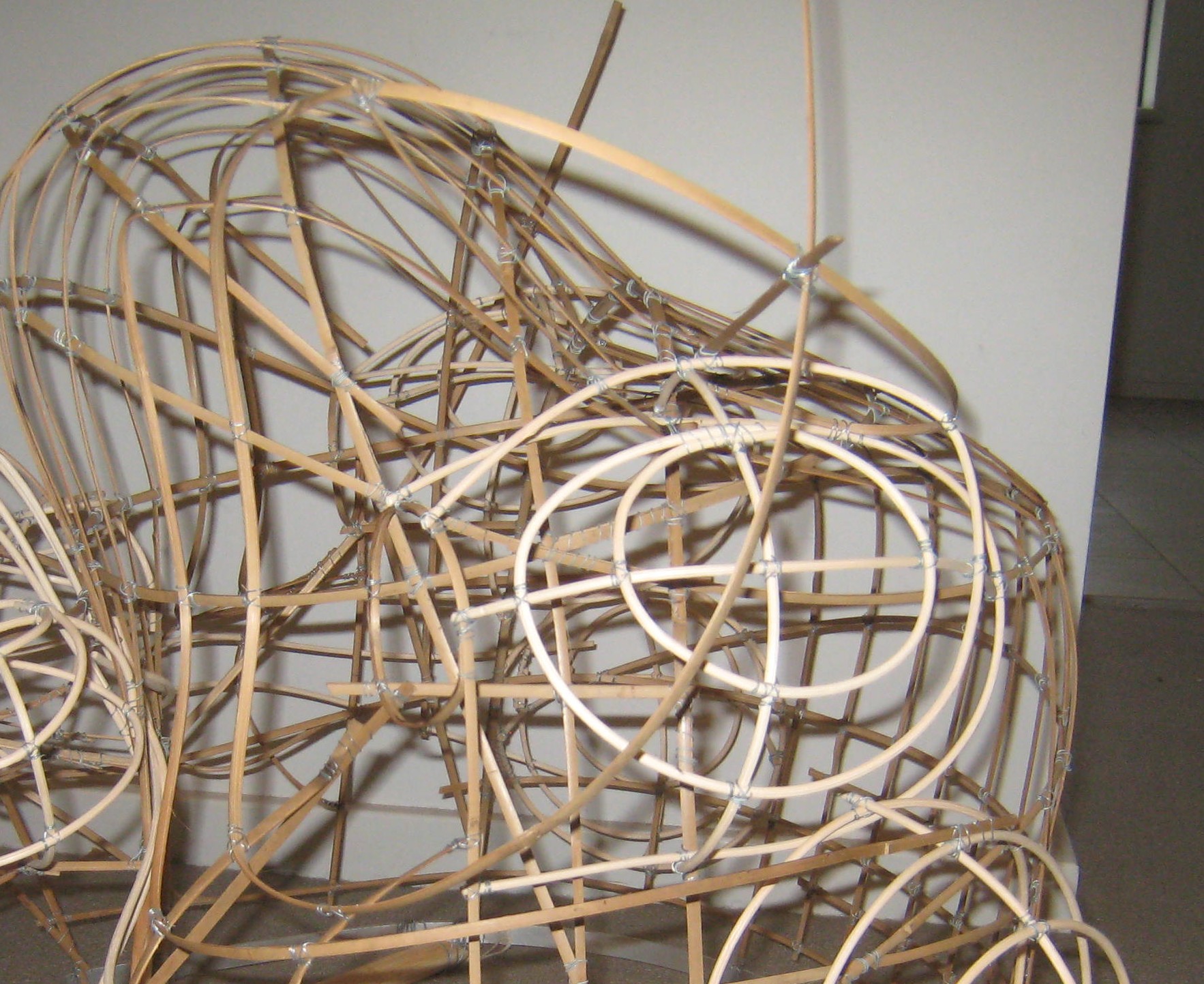
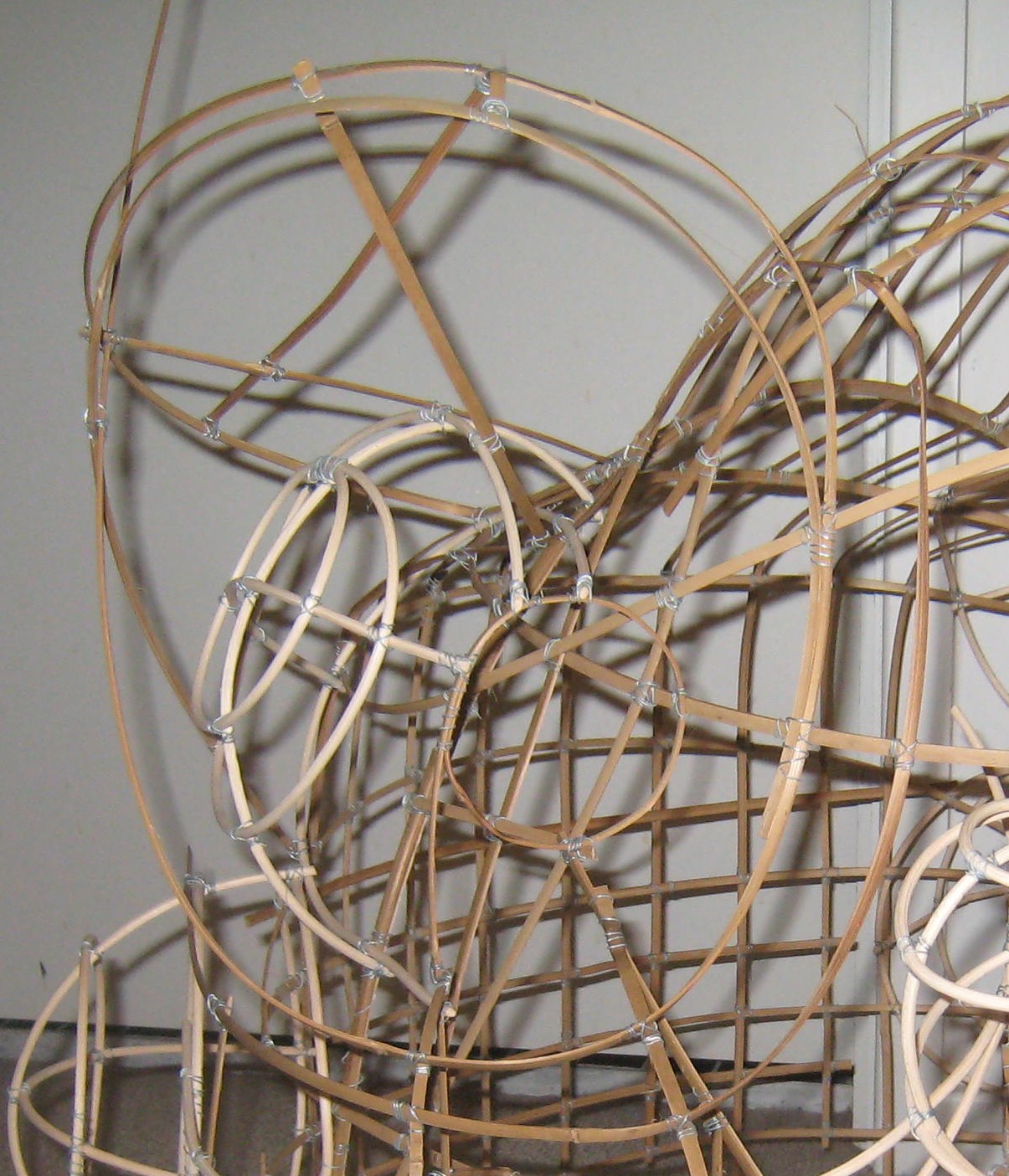
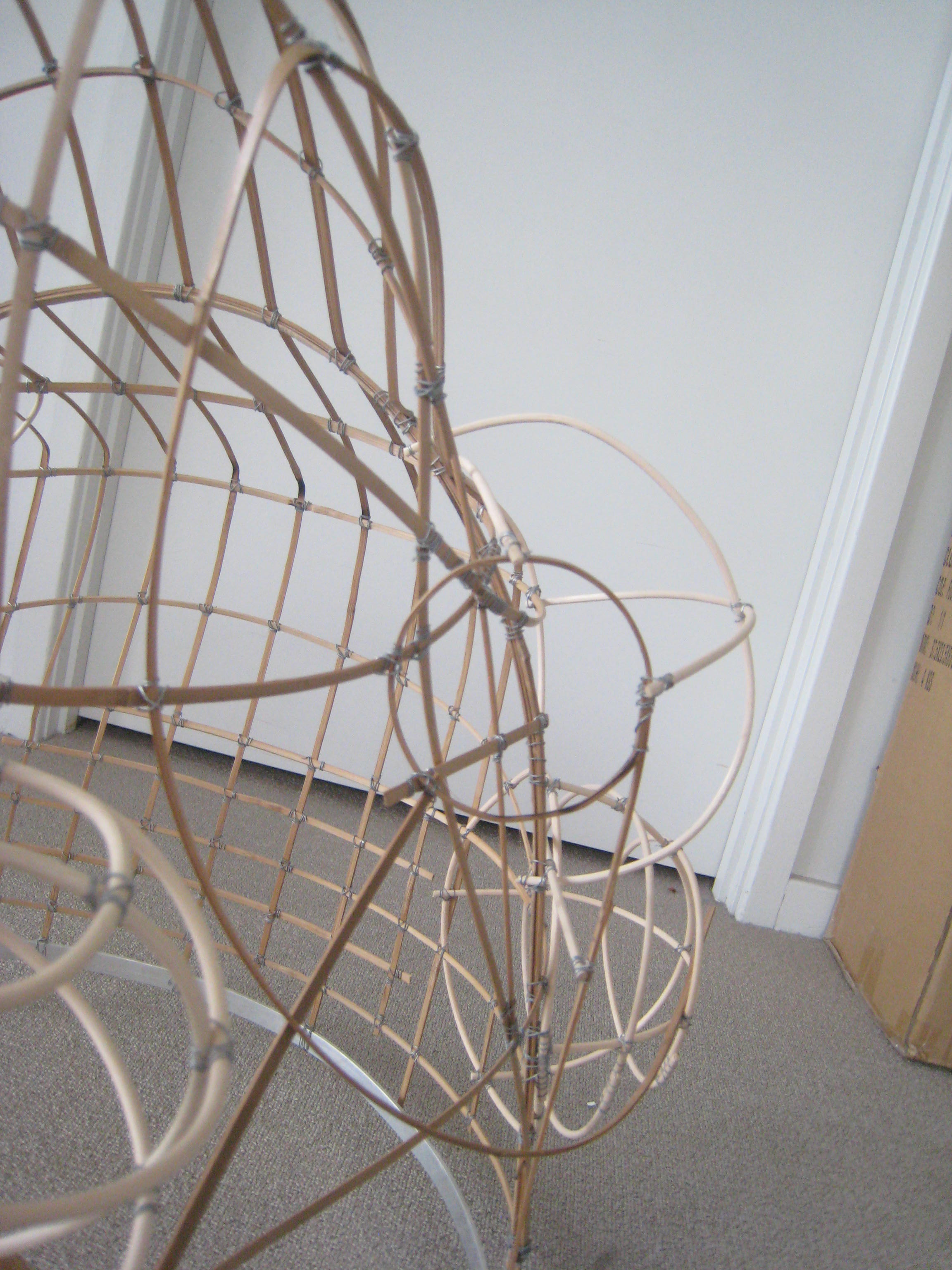
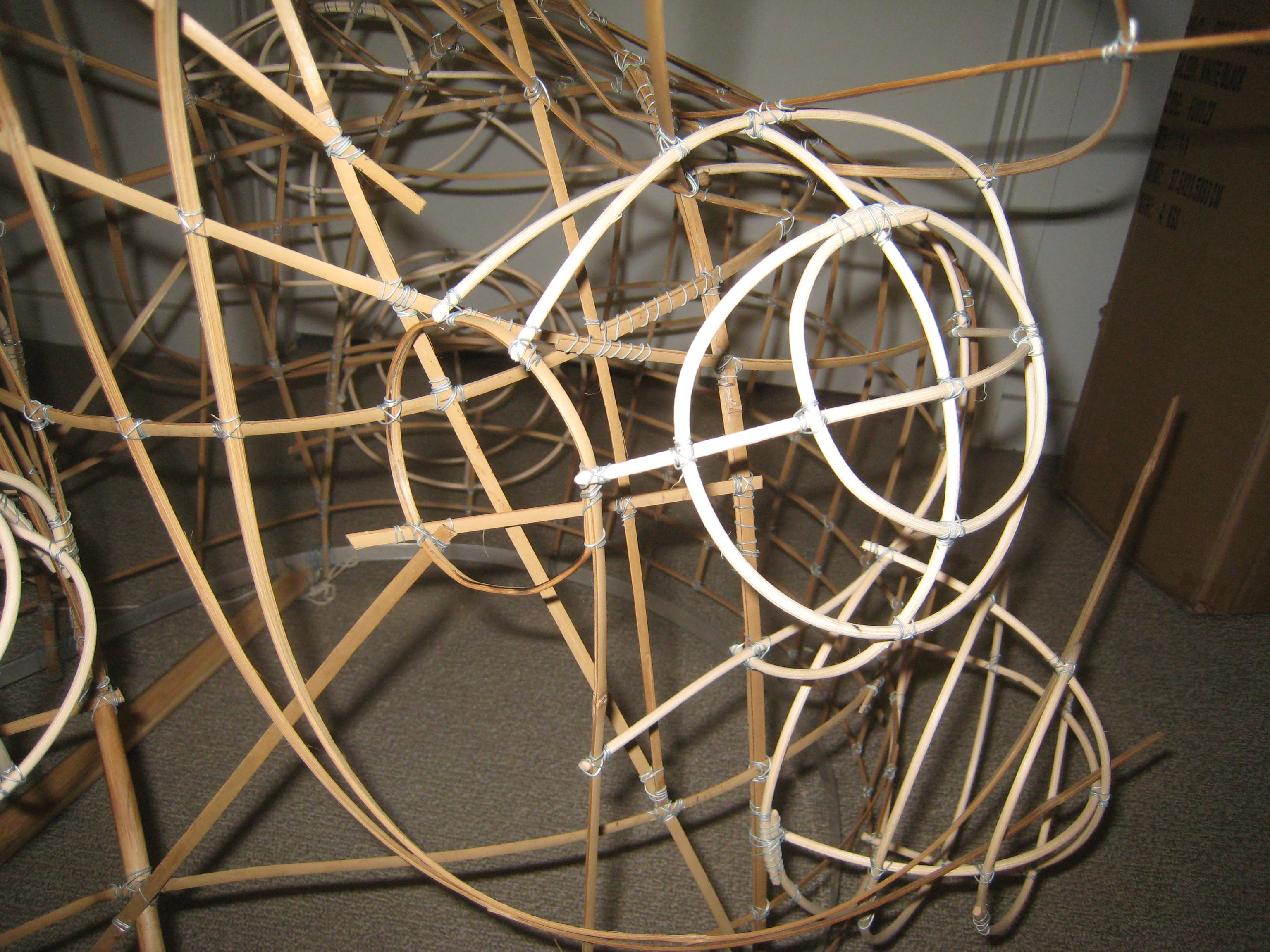
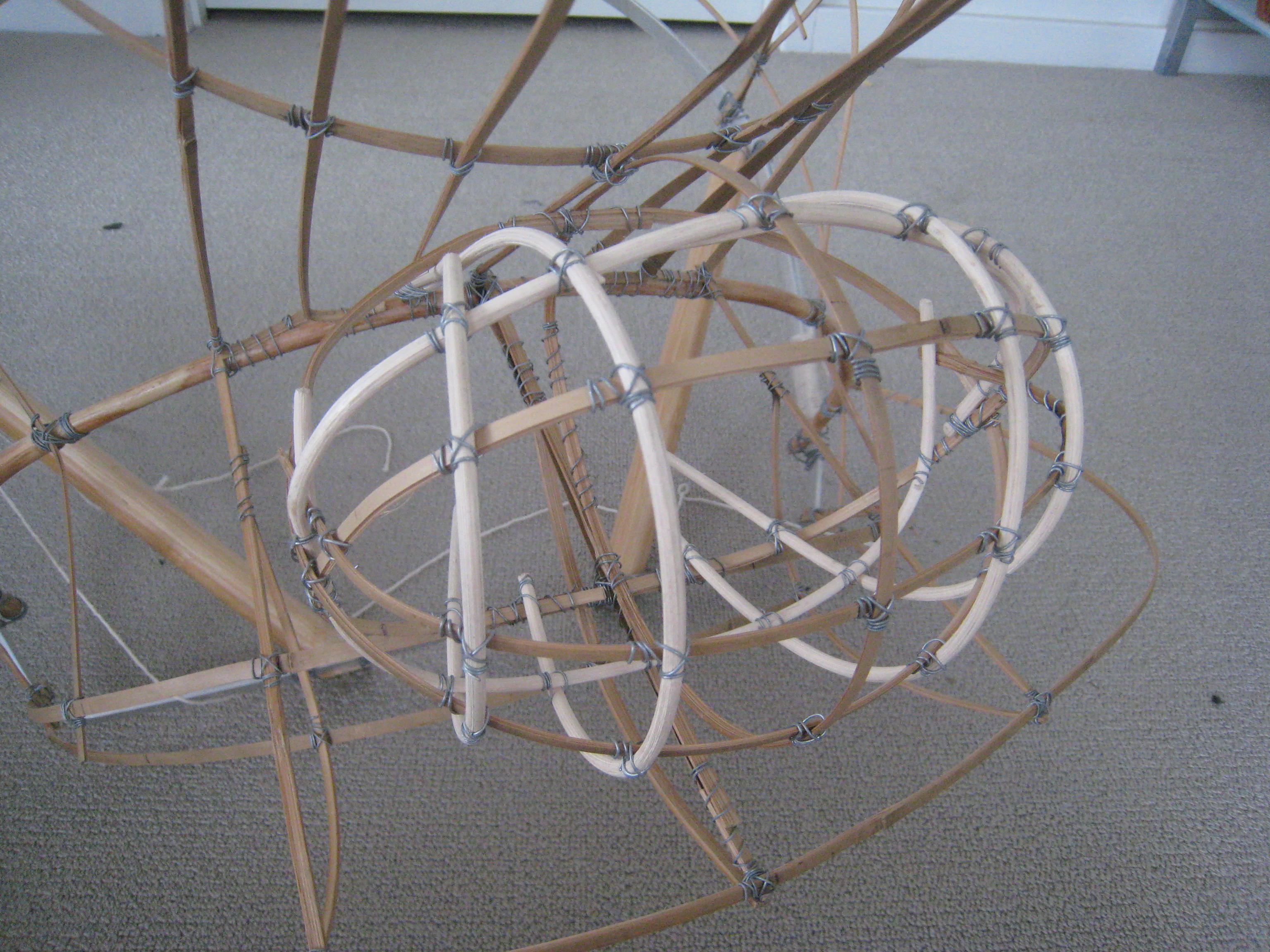
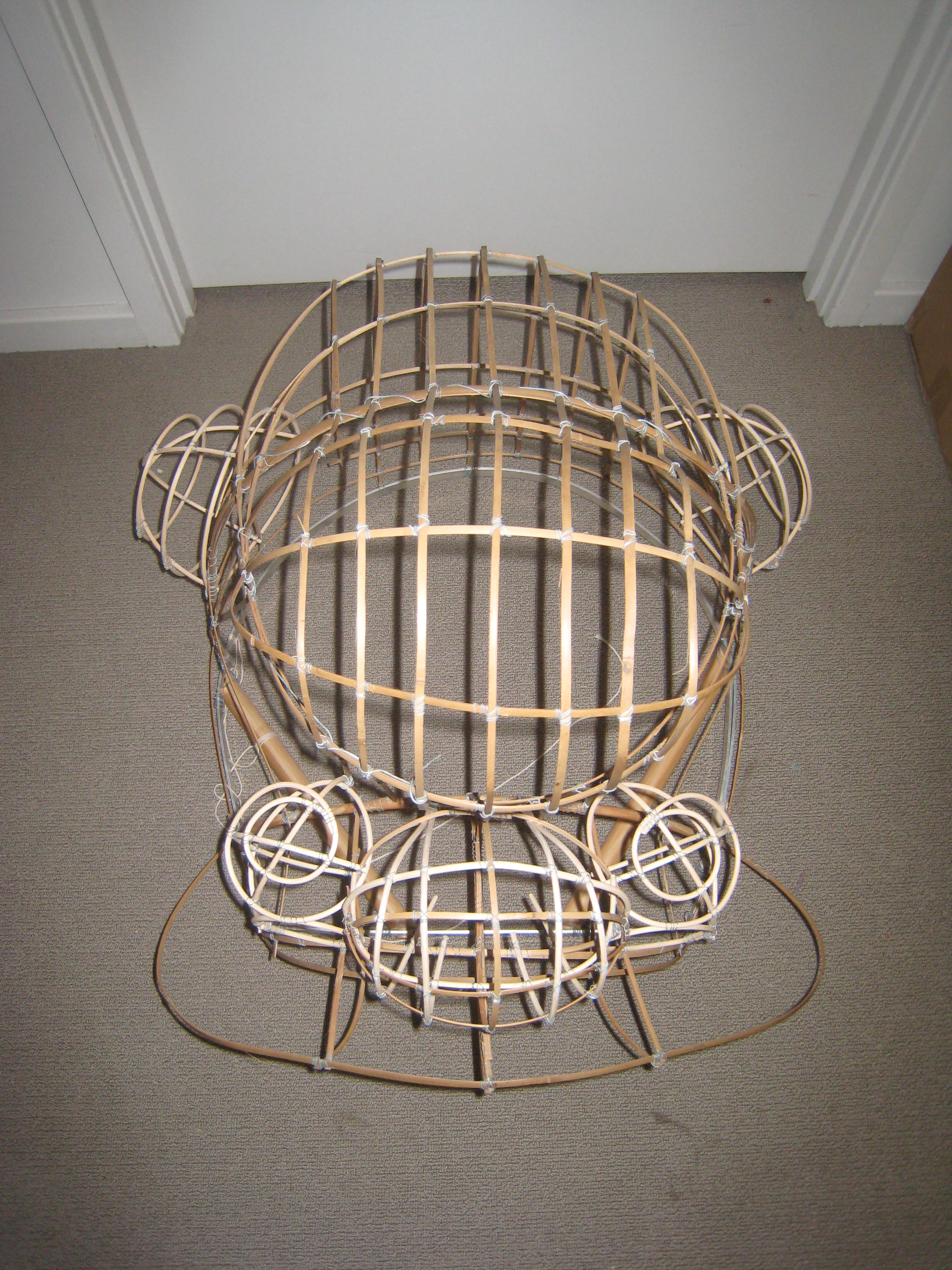
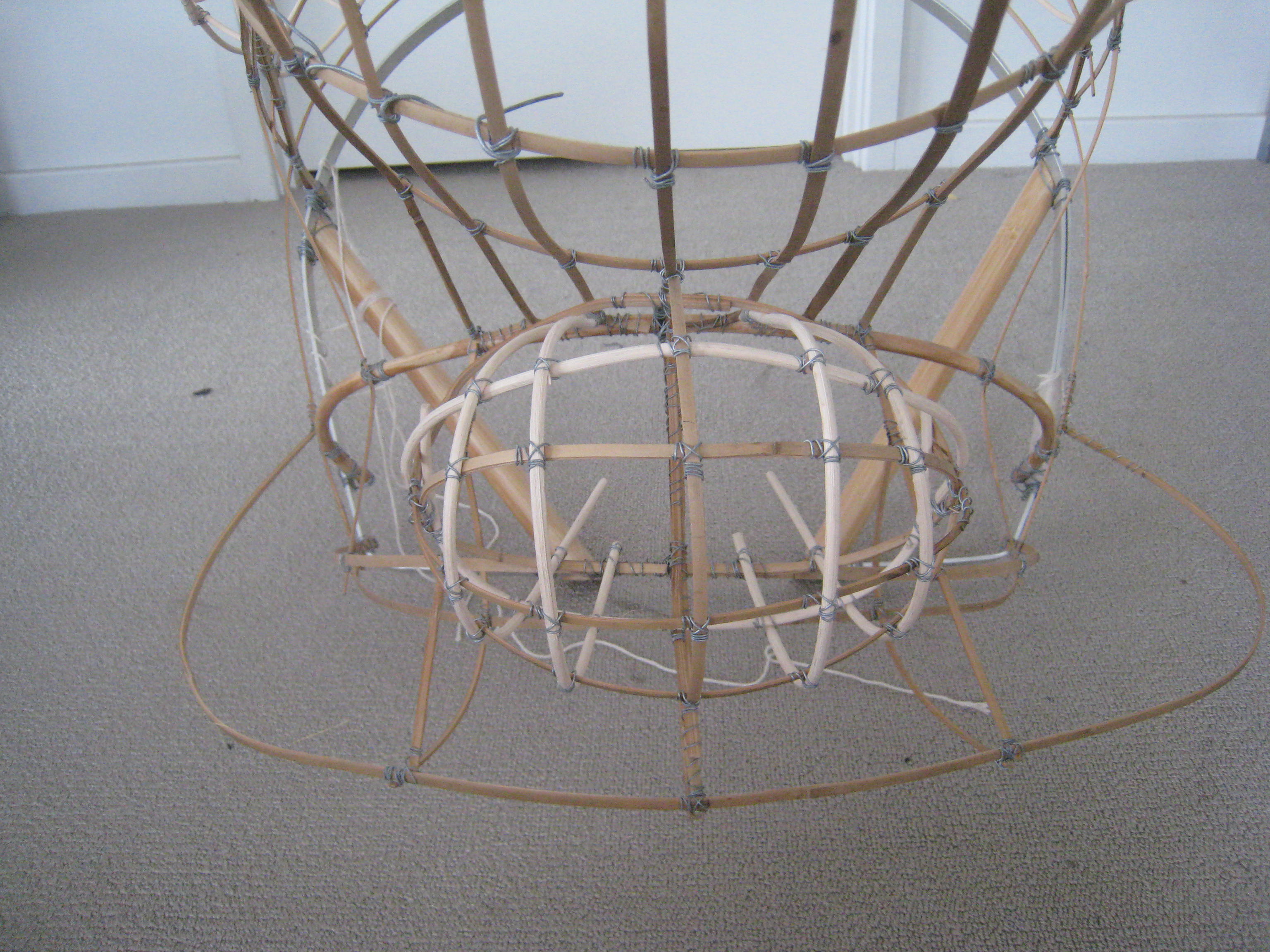
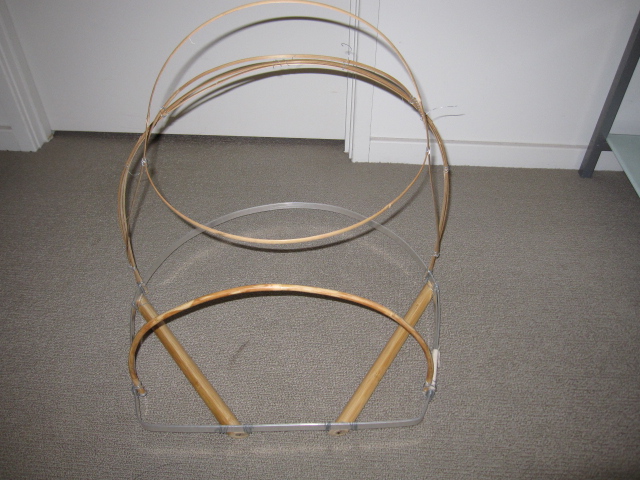
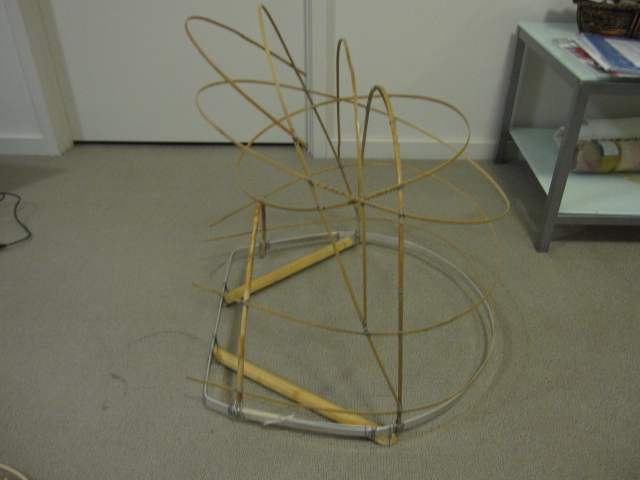
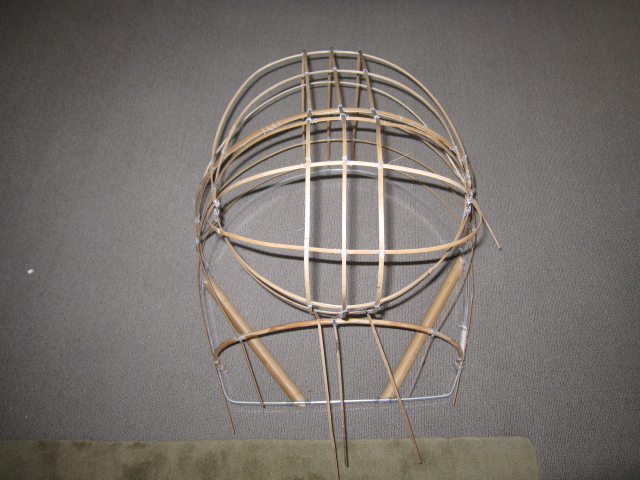
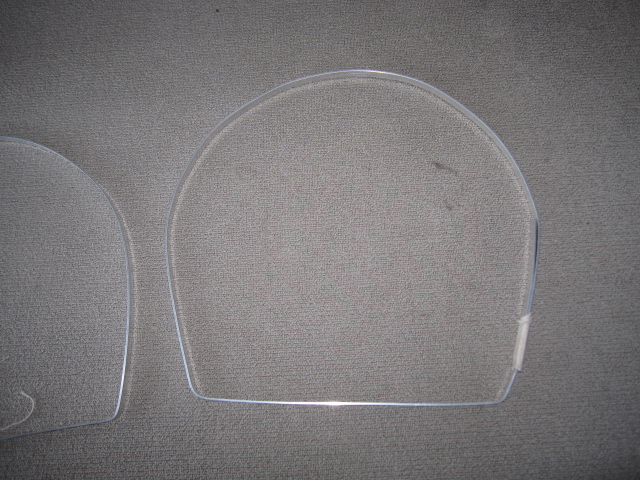
Step 7: The Eyebrows

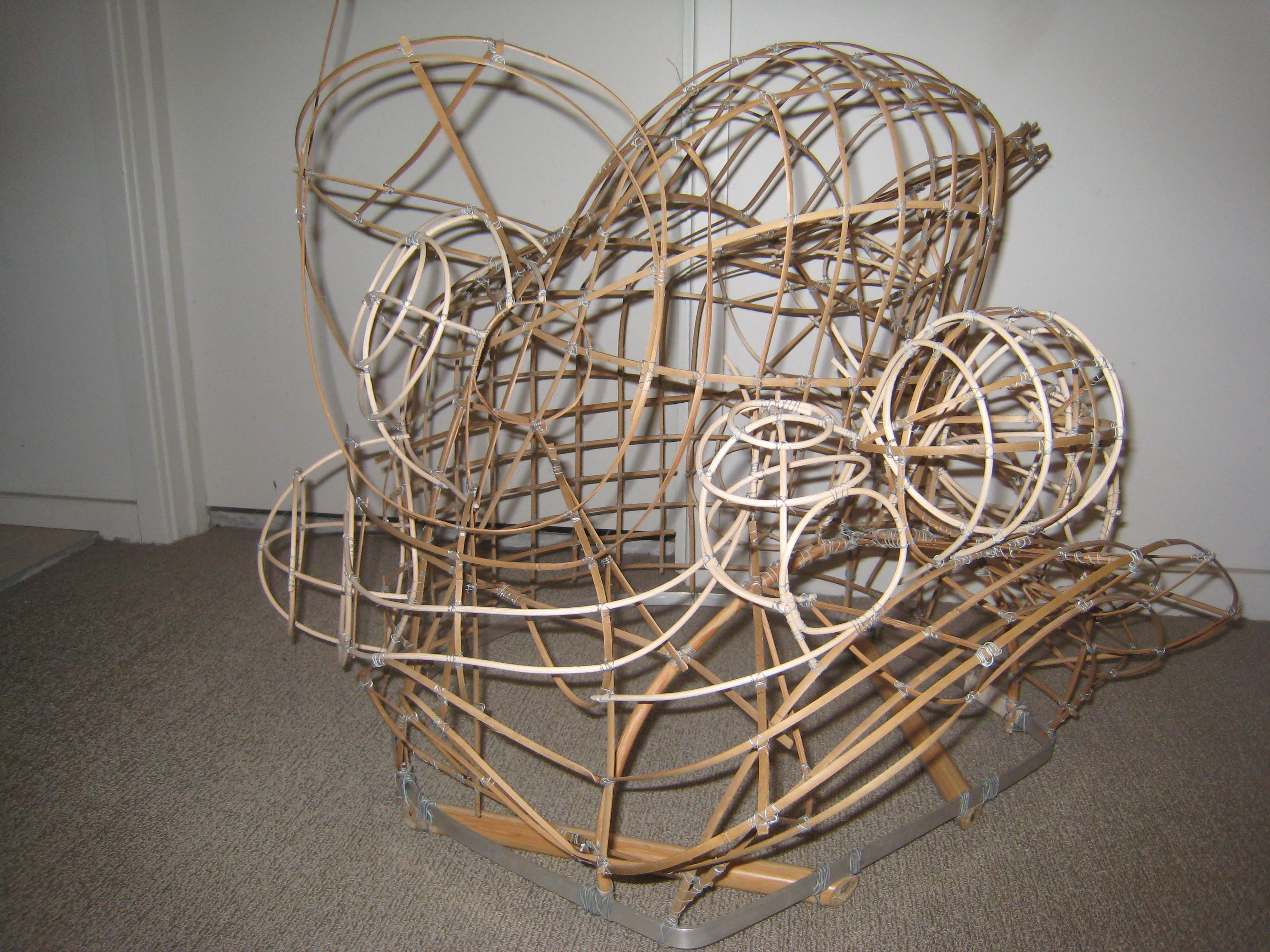
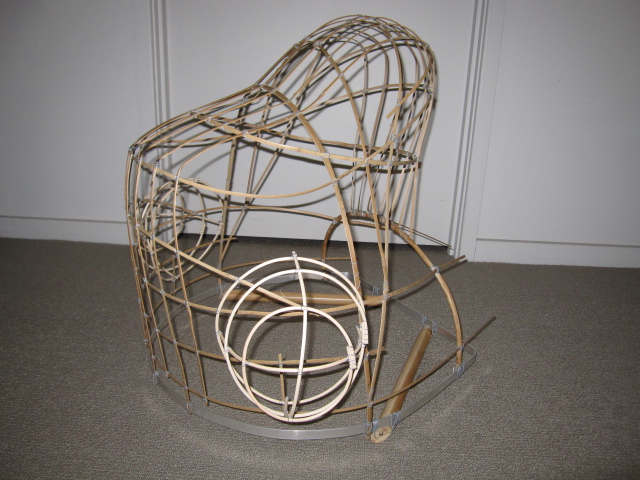
It finally looks and resembles more like a lion now!
I deviated away from my model completely here and adjusted the height and size of the brow according to how I wanted the lion to look. I was hoping to get more of a “baak wan” lion look with its eyes being more wider set so I made the brows quite wide.
I also adjusted the front of the eye so that the side of the eyes are more forward facing than having a streamlined look (as you might find with jow gar lions)

Note: I added the fins and spirals and other wire work at the end

Step 6: The Eye Sockets

This part was quite tricky because despite getting all the dimensions right, there was still a bit of guess work involved with the positioning of the actual eye socket. There was no  surrounding structures to use as a reference point. so with a bit of hand eye coordination, I think it worked out alright in the end.
Another facial feature which made this lion one step closer to a face!

Step 5: the Nose

This was one of the more fun parts to complete. I used a combination of bamboo strips and rattan for this area, and it turned out quite well. Because the joints were much closer together, the nose felt quite solid and strong and it gave the lion an identifiable feature. One step closer to becoming a lion!!!

Note: It was a bit tricky trying to get the dimensions of the certain parts as I was juggling to fit in my measure tape and measuring sticks into the model’s nose. I’m starting to become less anal about having exact measurements. Little imperfections don’t matter too much and give the lion a real feeling.

Step 4: The first part of the top lip

My first hurdle, this is where I started having difficulty getting it right.
Now there are smaller pieces to contend with and curves in shorter pieces of bamboo strips (more pressure on the strip).
In the end, I decided to only attach and make the main sections of the top lip that would be involved in structural purposes.
I’ll revisit the top lip later on

I wasn’t good with my photo documentation of my progress. Here you can see the bit of the top lip which I started plus the main bit of the nose which I enjoyed doing much more.

Step 3: The gills

I chose this section before the top lip because in some ways, I was quite scared of progressing to the lip. The process of having difficult bends and multiple smaller pieces was daunting so I put it off for now.

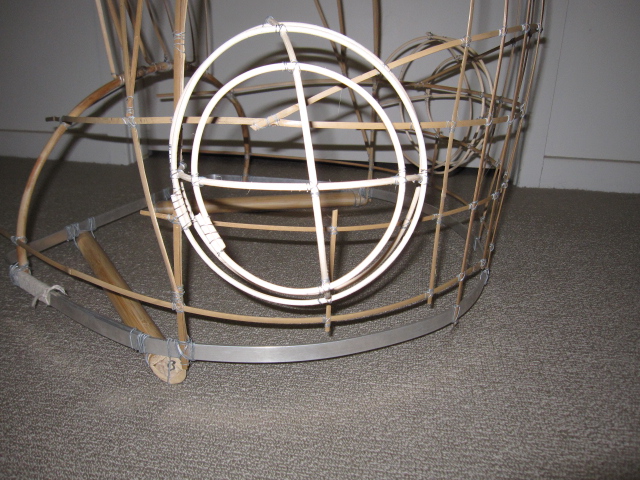
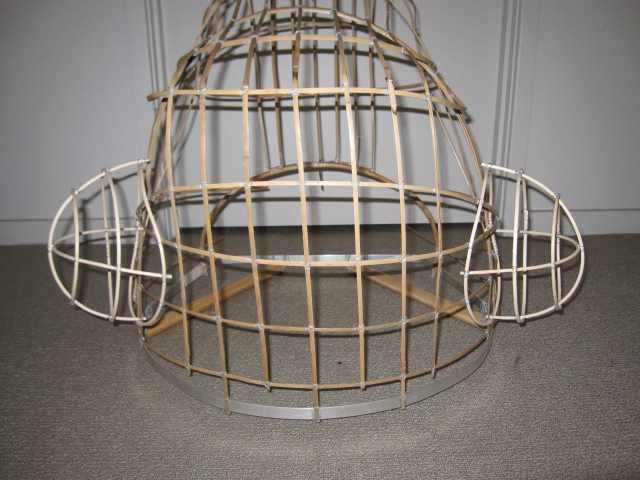
For the gills, I was tossing up between whether I should have rounded gills or proper crescent gills with fins attached to them. I really like the style and beauty of lion heads with the double gills and sphere attachment but I was a bit too afraid of it being too difficult and fiddly with all the little parts so I opted for the round gills instead.
I diverged a bit away from my model with this part. I wanted my lion to have much large prominent gills so it would stand out more as a particular feature so I elongated some of the  dimensions on my pieces.

This is also the part where I introduced rattan strips into my head. I didn’t think I would have enough bamboo strip to complete the rest of the bit so I thought this area wouldn’t detract too much from the heads stability if I used the rattan. It’s much softer and pliable compared to the bamboo and the support isn’t as good but these bits don’t get beat up too much when the heads shaken.

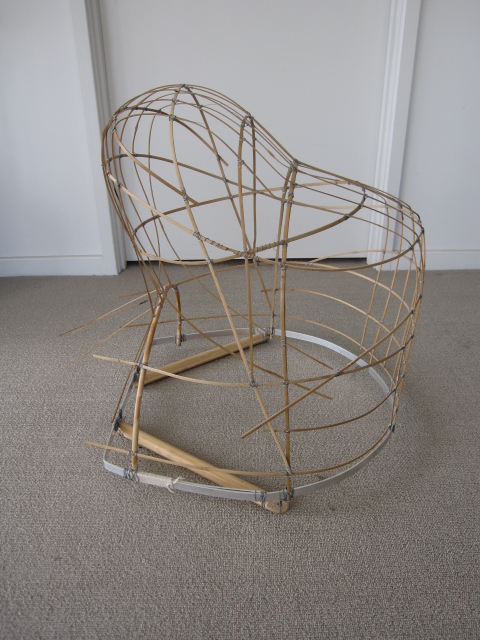
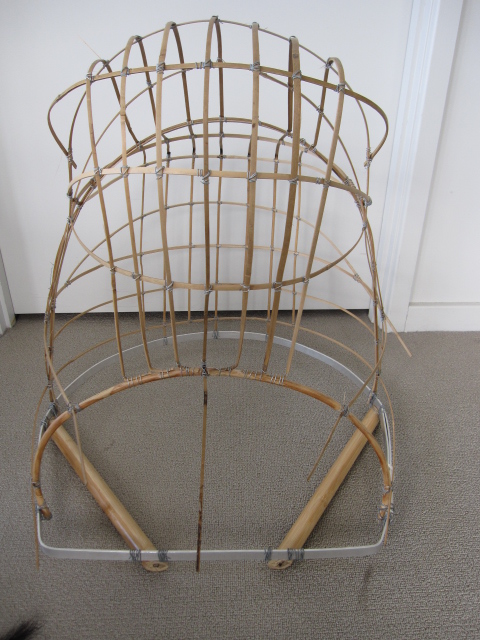
Step 2: The main body

My lion head was going to be a replica of the model lion head I had, as such,

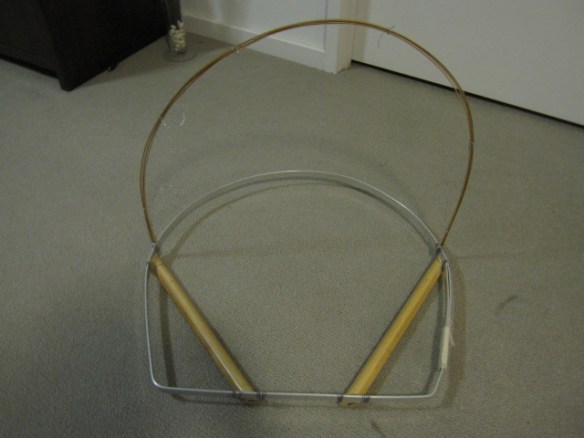
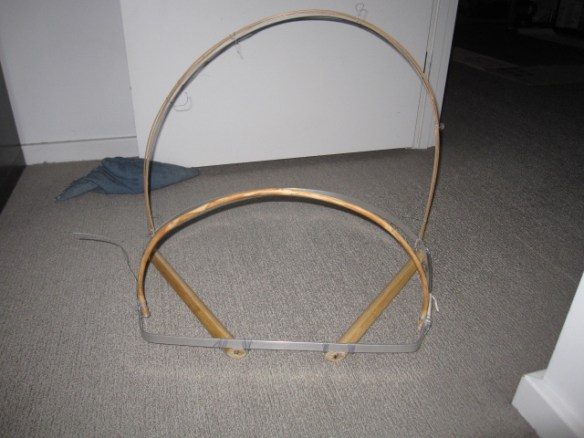
The main body consisted of three strips of bamboo bound together (I didn’t have a single thick bamboo piece) that took on the main structural support of the main lion body. For the long section, I used 3 bamboo strips fasted together to make one strong sturdy strip and tied it to the base.

For the second shorter one, I ended up using a rattan/ cane ring which I found at an arts and c rafts store (probably used as a base for other arts projects) separated the join and stretched it out to form a large curve. The length was perfectly matched to the original.

From this it was a bit tedious measuring each bamboo strip before tying it on to the main supporting strips to start forming the main body.

As you can see, my measuring wasn’t all that up to scratch and the head was a bit lop sided.
Hopefully it doesn’t affect things too much. I’m hoping with the finished product that a bit of the fur, pom poms and mirror will hide some of the imperfections.
Feelings so far

So far I’ve found making this lion head quite relaxing. It’s like a giant puzzle!
As a young kid, I’ve always enjoyed making lego bits, or gundam models and giant puzzles. This feels exactly like that. A lot of the time, I find myself sitting and staring at the model lion head and then at my skeletal lion head and think, wow! I have such a long way to go but as I start figuring out which part of the lion I should add on next and then length of the pieces and their positions starting coming together, then it becomes a great feeling as I can see progress.

Hint on binding
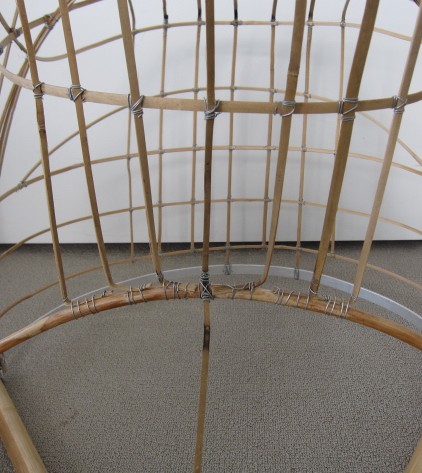
In my first project, I experimented with different ways of trying to tie the bamboo bits together. I’ve tried twine, paper ties, hot glue and finally thin metal wire. I’ve found thin metal wire to be the easiest to use by far, producing both strong joints, quick tying times and little mess.
I’m not too sure how the joints will do in the long run, especially being stressed through all the bends in the wire as well as the vigorous shaking that it will be put through but in the meantime, it’s the easiest medium to use.
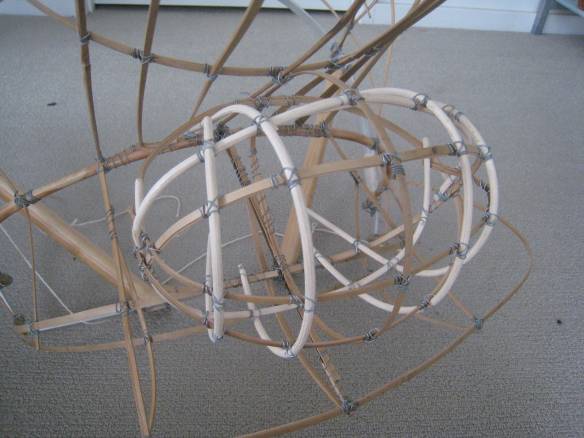

Snapshot in time- a close up view of my wire handiwork
Step 1: The Base 21st February 2011

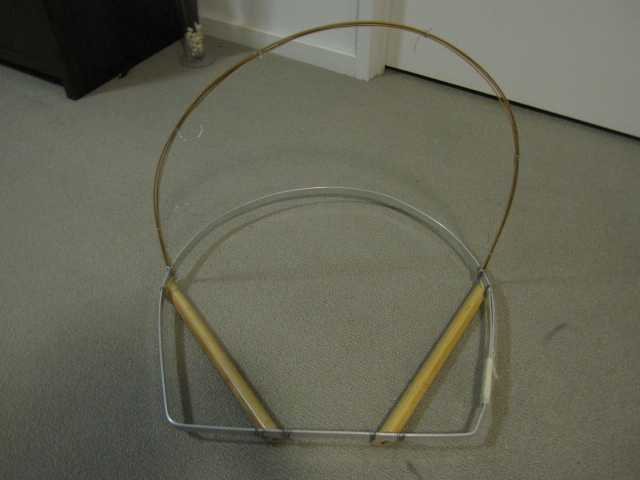
For those of you who aren’t familiar with lion dancing or lion heads, the base is bade of a large D ring with two bars cutting across the flat art of the D to form handles

The only types of bases I’ve seen are either made using thicker pieces of bamboo or a thin metal bar for the D part and either wooden or PVC handles

I opted for the metal bar for the D ring after failing to find anywhere that sold bamboo strips.
They’re quite easy to find at any hardware store.  Bending it wasn’t too hard either. I used the base of my existing lion as a template and bent the bar around it to get the right curvature. Then fold the remain parts to get the flat surface. The two ends were joined together with some thick metal wire. I’ve seen other people drill holes into the bar itself and use that to tie the ends together but I didn’t have the necessary tools at hand.

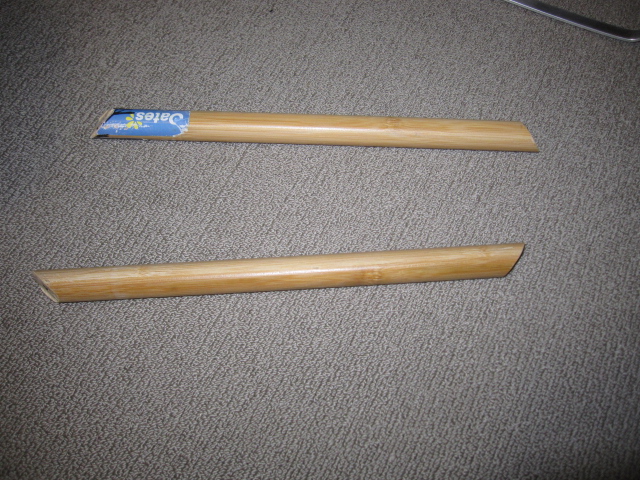
For the handles, I decided to fashion them out of a wooden broomstick handle I found at the hardware store .
I sawed it as best I could to get both ends level. I ended up sawing the tips of the handles to flatten it out so they would sit on the bar snugly without rolling around and then using thick metal wire to fasten them to the base. (Without too much woodwork knowledge or proper equipment, it was quite difficult getting the planes of the flat bits equal on both ends of the handle. It ended up being a trial an error job)

Prelion head brainstorming

I thought I’d show you guys what I am aiming for.
I watched this movie a couple of years ago and I loved the futsan lion in this clip.
Check it out http://www.youtube.com/watch?v=SUgefERDtD4

The first step of building this lion head was to think about time frame, sourcing materials and a budget

Just browsing through the internet, I found the cost of a brand new lion head to be between 500- 1200 dollars.

Now, I didn’t want to be spending over 600 dollars to make my own lion head if I was able to order a custom made lion head complete with tail and shipped to my door for the same amount of money.

I decided my budget to be no more than 350 dollars including all the little accessories that go with the head like a tail, pom poms and bristle fur (which is going to be difficult to get). This meant that I was either going to have to make some of these parts myself or get quite creative in finding alternative solutions to finding these parts.  As I go through the different parts of the lion, I’ll let you guys know about what where I got all the different parst
Time frame wise, I want this project to be a hobby, something that I enjoy doing and my escape from the daily grind. I have no need to rush through and make it in time for a particular deadline so the progress may be slow, or really fast depending on how absorbed I get with the making process.

The lion head I’m using as my base model

Me

Join me, as I set out to create a traditional Chinese lion head.

For those who do not know, the lion dance is a Chinese cultural art that has deep roots in Chinese tradition and values. From the colours and visual details of the lion head himself and the dance he performs there is a story of China’s arts and craft, dance, history, customs and rituals, and language.

The lion dance involves two persons who don the lion costume playing the part of the lion, and an ensemble of percussion instrumentalists who provide the rhythm and bring the lion to life.

The lion head itself is an incredible piece of multimedia art. Its basic shape, the frame, is fashioned from bamboo strips held together with paper ties. The frame is then lined with layers of paper mache. Once dried, careful painting of the lion is carried out using particular colours and patterns, depending on what story the artist wishes the lion to convey. Colour schemes often depict certain characters from the Chinese history Romance of the Three Kingdoms. Finally, the ornaments are attached, such as pom poms, animal hide, and the mirror. Current trends see the frame being made of rattan or PVC pipes to make the lion head more lightweight and hence easier to dance with, but nonetheless the end result is as equally majestic.

In the olden days, a kung fu school would demand respect through its lion dance. Any master’s school and his members would be judged by the strength of their lion dance skills. As such, during that time the lion was made to appear fierce and powerful. The schools strived for the lion to be given life (sang) and ferocity (mang) through their dancing, easier to achieve when the lion head looked the part. Artists of these older lion heads had these aspirations and created masterpieces. Like any true artist, they gave the creation process time, patience, and effort, excelling in the art to make beautiful lion heads.

Over the years the lion has evolved, reflecting changes of attitude toward kung fu schools and the way the schools view the lion dance. With nearly no competition among kung fu schools the lion dance is no longer perfected as a martial representation of the school, but rather danced for the school to gain popular attention in the community for its own promotion. Some have branched out to include styles of dance that attempt to combine the life-like movements of the lion with impressive acrobatic tricks, such as hopping across a line of high poles. The appearance of the lion head has also changed; his facial expression and ornaments are softer and rounder, no longer looking frightening but rather looking cute. The colours and patterns are also less rooted in China, but have been influenced from other Asian countries such as the currently popular Batik motif. The lion tails have also changed, older lions having brightly coloured and decorated long tails compared to the new tails which are duller and greatly shortened in length. The cuter and more adorned new lion with its short tail makes it a better candidate in lion dancing for show and performance competition.

Like most lion dance enthusiasts, my own foundation of the lion dance comes from my kung fu. I practise Dragon Style Kung Fu and my school dances the lion in Hong Kong style. The Hong Kong style favours the old fierce lion, in both the artistry of the lion head and the mostly grounded movements. Too many of the current made and danced lions lack the viciousness and intensity of the traditional lions, once which were the soul of the kung fu school.

My aim to recreate a traditional lion head- a young Liu Bei coloured by the rainbow and edged with thick black bristle fur, his long tail flapping behind him as he is once more awakened.

Image
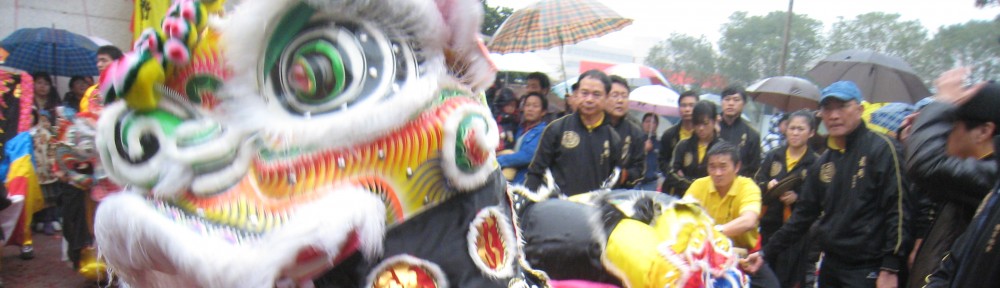
The Hong Kong Dragon Sign Athletic Association visiting an ancestral hall in Dong Guan, China.